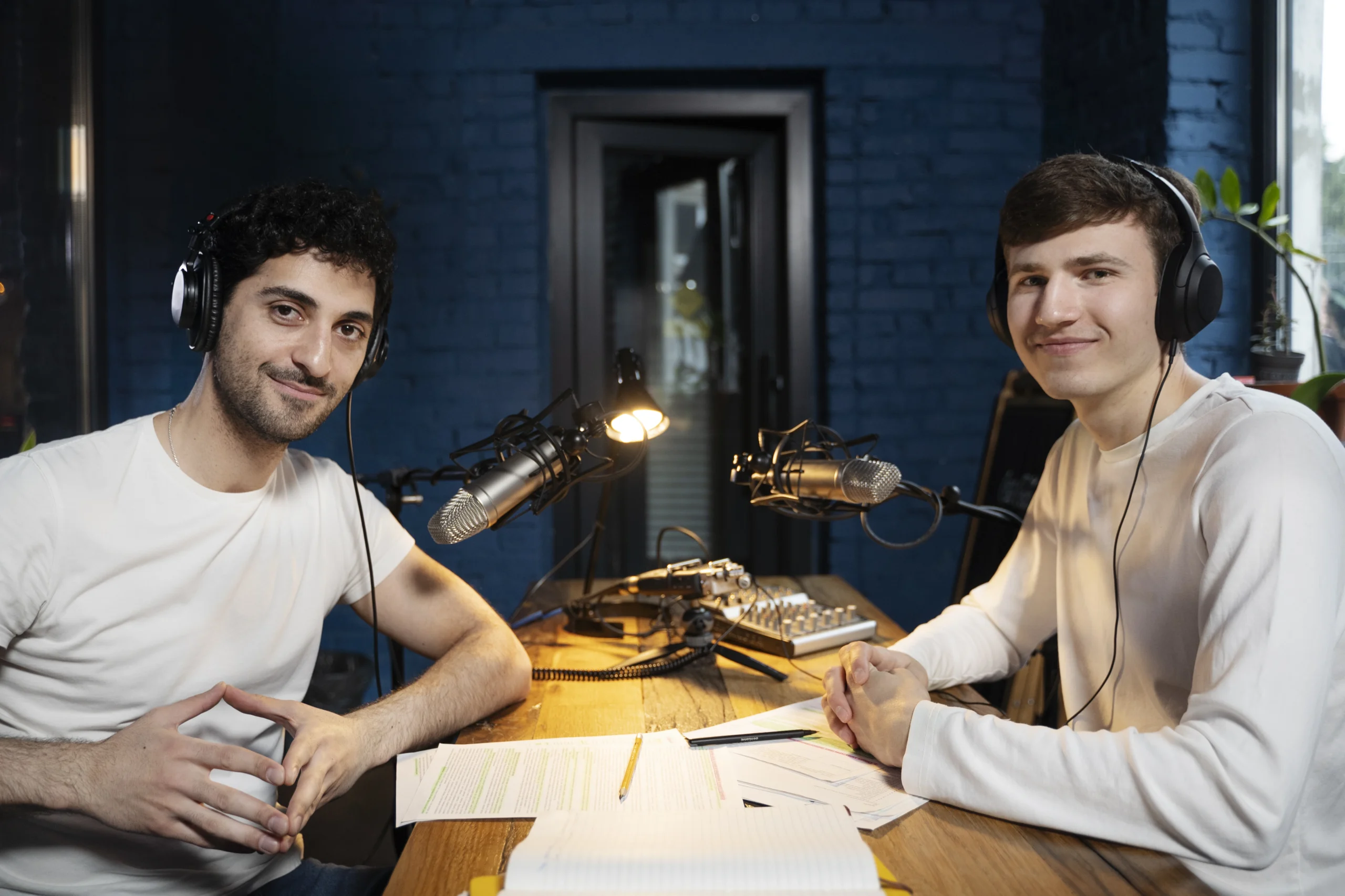
Dub long-form interviews, documentaries, and podcasts while keeping speaker identity.
AI Dubbing vs Voiceover vs Subtitles
AI dubbing replaces the original spoken audio in another language while keeping timing and voice characteristics.Voiceovers usually play over the original audio and lack lip-sync. Subtitles add text but depend on viewers reading instead of listening. AI dubbing provides the most immersive experience for international audiences.
Subtitle Editor
Auto Translate
Text Upload
Features
Security and Ethical Use
We prioritize responsible AI use. Our workflow includes:
For interviews, podcasts, or panel discussions, our AI automatically identifies multiple speakers and assigns consistent voices.
What Is AI Dubbing?
AI dubbing is the process of automatically translating spoken audio in a video and replacing it with a new voice in another language using artificial intelligence. Unlike basic voiceovers
Consent-based voice processing
Secure file handling
Controlled access to voice cloning features
Compliance-friendly content review processes
Frequently Asked Questions
What is AI dubbing used for?
AI dubbing is used to translate and localize videos into different languages while keeping the original voice style and timing.
How accurate is AI dubbing?
Modern AI dubbing is highly accurate, especially when combined with transcript review and editing.
Can AI dubbing handle multiple speakers?
Yes, our system supports automatic speaker detection and consistent voice assignment.
Does AI dubbing support subtitles?
Yes, subtitles are generated automatically and can be edited or exported.
What languages are supported in AI dubbing?
Modern AI voice cloning delivers highly realistic, human-like voices with natural tone, emotion, and clarity.
Yes, subtitles are generated automatically and can be edited or exported.
Absolutely. AI dubbing is widely used for marketing, training, education, and enterprise communication.